Length and Fullness That Blends Seamlessly
Hair Extensions in Columbia for clients seeking added volume, length, and styling versatility
Hair extensions serve as a transformative solution, adding not only length and fullness but also incredible volume by attaching additional strands of hair to your existing locks. This allows you to effortlessly achieve stunning styles that might otherwise require years of natural hair growth or simply aren’t feasible due to the limitations of your hair’s natural density. At Le Chic Hair Studio, every extension service begins with a comprehensive consultation designed to identify the ideal type of extension, color match, and installation technique tailored to your hair’s current condition and texture. During this consultation, we will discuss your specific needs, whether you are looking for extensions for everyday wear, special occasions, or if you are ready for a complete style makeover that dramatically alters your hair's length or thickness.
The installation process is meticulous and requires precise placement of the extensions, ensuring they blend seamlessly with your natural hair. This blending process involves not only a careful color match but also an assessment of texture and density, which is essential for a flawless finish. Your hairstylist will expertly section your hair and then attach the extensions using methods that evenly distribute the weight, preventing any undue stress on your natural strands. With proper blending techniques in place, we guarantee that the transition between your hair and the extensions will be undetectable, allowing your hair to move freely and elegantly—even when styled in updos that may expose the attachment points.
If you’re curious about enhancing your look with hair extensions, we invite you to schedule an extension consultation. Together, we can determine the most suitable type, length, and installation method that will work beautifully with your individual hair texture and condition, paving the way for a stunning new hairstyle.
What Changes After Extensions Are Installed
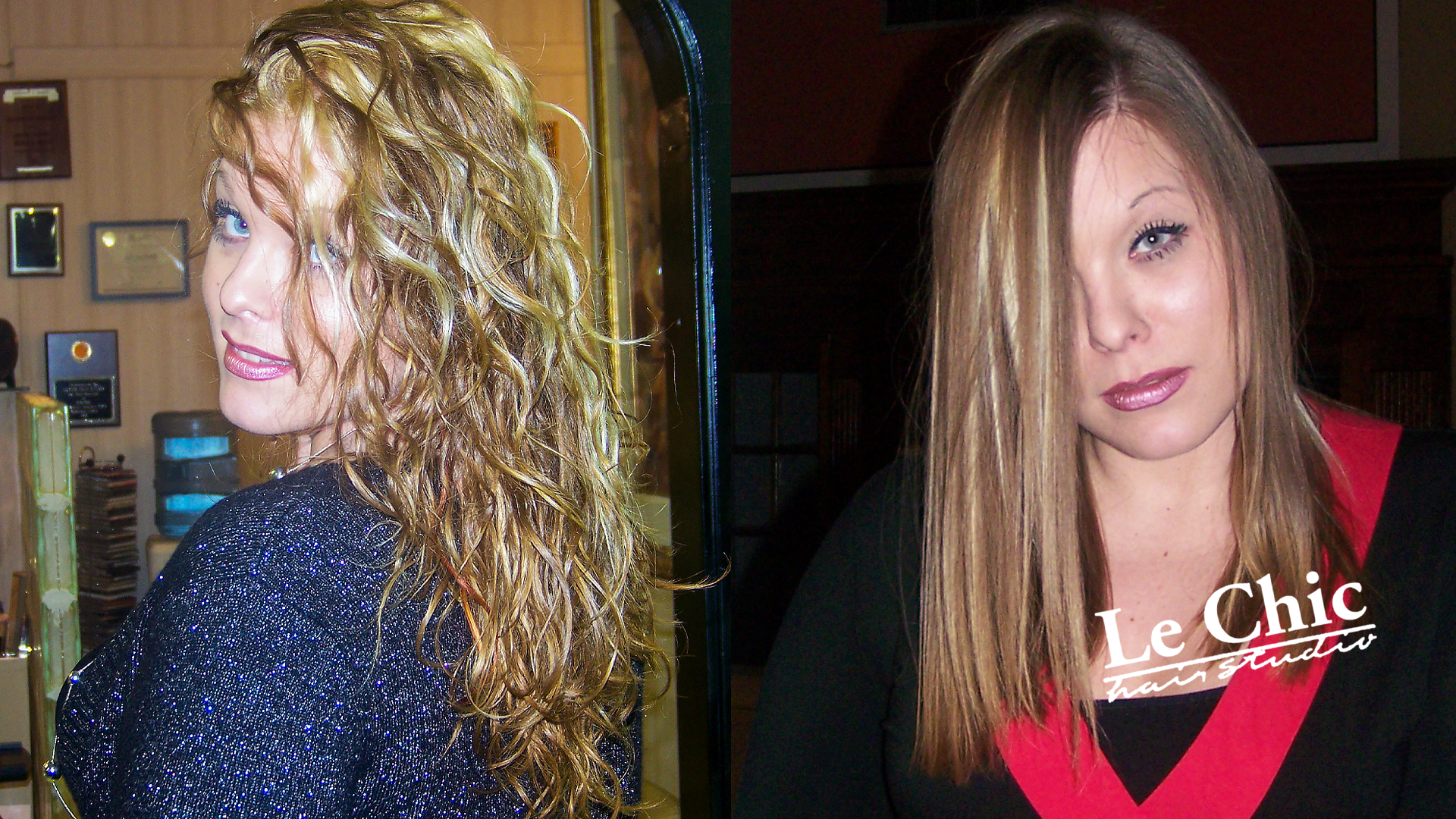
Extensions immediately alter your hair's length and volume, which opens up styling options that weren't feasible before. The added fullness creates more dramatic curls, thicker ponytails, and updos with better coverage, while the extra length allows for styles that require hair past your shoulders. The key to natural-looking extensions is proper color matching and blending, which your stylist achieves by layering the extensions into your hair so they move cohesively rather than sitting as a separate layer.
You'll notice that your hair feels heavier and requires different handling during washing and styling. Extensions need to be brushed carefully to avoid tangling at the attachment points, and certain products—particularly oils and conditioners—should be kept away from the bonds or attachments to prevent slipping. The extensions themselves can be heat-styled just like your natural hair, which means you can curl, straighten, or wave them to match whatever look you're creating.
Maintenance guidance covers how often to brush, which shampoos and conditioners won't compromise the attachments, and when to schedule adjustment appointments as your natural hair grows and the extensions shift downward. Extension lifespan varies depending on the installation method and how well you follow care recommendations, but most clients can expect several weeks to several months of wear before removal or repositioning is needed.
Questions Before Starting Your Project
Clients considering extensions usually have questions about how they'll feel, how long they last, and what's involved in daily care.
How do you match extensions to my hair color and texture?
Your stylist evaluates your hair's tone, highlights, and natural texture, then selects extensions that match those characteristics and blends them by layering and trimming so the extensions mimic your hair's movement and fall.
Will extensions damage my natural hair?
When installed correctly and maintained properly, extensions shouldn't cause damage, but improper placement, excessive tension, or neglecting removal schedules can stress your natural hair and lead to breakage at the attachment points.
How long do hair extensions last before they need adjustment?
Most extension methods require adjustment or removal every six to ten weeks as your natural hair grows and pushes the extensions downward, which can make them visible or cause tangling if not repositioned.
Can I style extensions with heat tools?
Yes, extensions made from human hair can be curled, straightened, and blow-dried just like your natural hair, though you should use heat protectant products to prevent drying and damage over time.
What's the difference between temporary and permanent extension methods?
Temporary extensions, like clip-ins, are removed daily and reinstalled as needed, while semi-permanent methods involve bonds, tape, or sew-in techniques that stay in place for weeks and require professional removal to avoid damaging your natural hair.
Le Chic Hair Sudio provides extension services for clients in Columbia who want added length and volume that enhances their styling flexibility. Book an extension consultation to explore which method and length will achieve your goals without compromising your natural hair's health.
Strand-by-Strand Hair Extensions
Our strand-by-strand hair extensions use premium European hair for a natural look, feel, and movement. Individual strands are carefully applied to create customized length and volume with a seamless, natural finish.
So.Cap Hair Extensions
Le Chic Hair Studio also offers So.Cap hair extensions, providing beautiful, high-quality hair for added length, volume, and versatility. Your stylist can help determine the best extension option based on your natural hair and desired results.